
Introduction
When procurement and safety teams evaluate Personal Protective Equipment Malaysia vendors, the biggest risks often appear after purchase: inconsistent sizing, mixed batches, unclear documentation, delayed replenishment, or weak support when you need urgent replacements.
This tutorial gives industrial buyers in Malaysia a practical, repeatable vendor-qualification process to build (or clean up) an approved supplier list for PPE and related consumables. It’s designed for day-to-day purchasing across multiple departments, multiple sites, and frequent reorders—and it’s easy to document for audits.
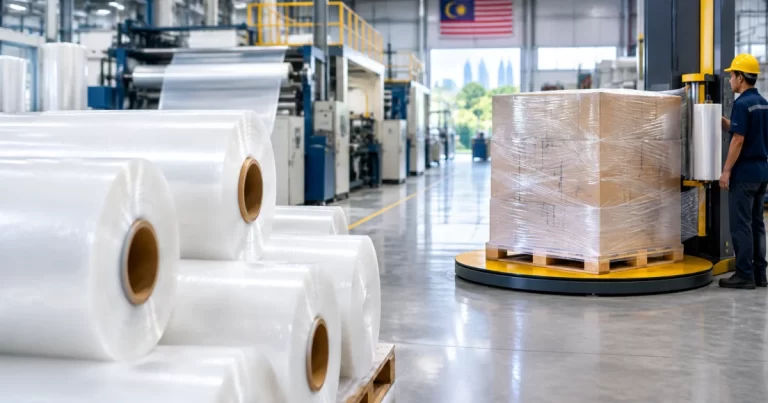
Many organisations also consolidate sourcing with a one-stop supplier that supports PPE alongside operational consumables such as packaging tape, stretch film, and Strapping Band Malaysia. Consolidation reduces admin effort but increases supplier criticality—so qualification matters more.
Step 1: Define your PPE scope, risk level, and usage conditions
Start with internal clarity: what you’re buying, who uses it, and what could go wrong if it fails. Different tasks have different risk profiles, so define needs by use-case rather than by generic product names.
1.1 Build a scope list by job task, not by product name
Create a simple scope table procurement can use:
- Task / area (chemical mixing, warehouse picking, loading bay, maintenance)
- Hazard type (impact, splash, dust, slip, cut, contamination)
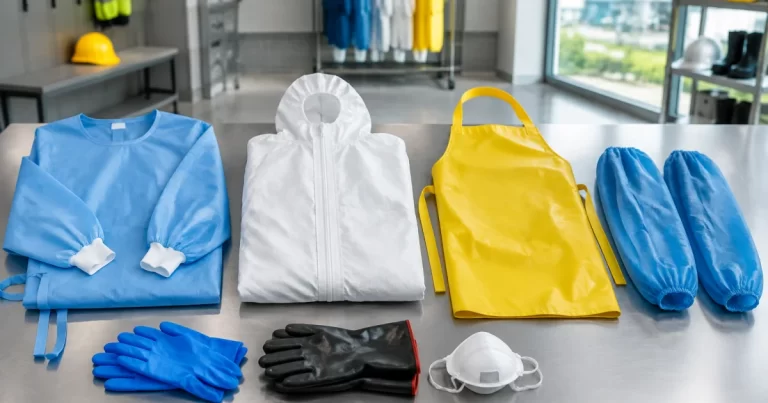
- PPE category (masks/respirators, gloves, gowns/lab coats, aprons, shoe covers, safety footwear)
- Key performance needs (comfort for long wear, anti-slip, thickness, tear resistance, visibility)
If you handle hygiene-sensitive processes, include disposable wear and PPE Clothing Malaysia (isolation gowns, sleeve covers, lab coats) in the same scope so suppliers quote consistently.
1.2 Agree internal standards: acceptance criteria and “no-go” rules
Define measurable acceptance criteria the supplier must meet, such as:
- Consistent sizing and fit across batches
- Clear labelling and (where relevant) lot/batch traceability
- Stated materials (e.g., PE, nitrile, non-woven) and key ranges (thickness/weight where applicable)
- Packaging integrity suitable for storage and internal distribution
Also set “no-go” rules: no unverified claims, no missing documentation, no brand mixing without notice, and no substitutions without written approval.
Step 2: Create a supplier pre-qualification checklist (fast filter)
Use pre-qualification as a pass/fail gateway before samples, trials, and negotiations.
2.1 Company legitimacy and business fit
- Registration details, address, and a clear procurement contact
- Delivery coverage for your Malaysia locations and realistic cut-off times
- Typical lead times, minimum order quantities, replenishment capacity
- Emergency order handling (what happens when you run short)
2.2 Product range and consolidation value
If you want fewer vendors/POs, confirm the supplier can reliably support the whole basket—not just one SKU. A true one-stop vendor may cover:
- PPE (masks, aprons, isolation gowns, PE gloves, shoe covers)
- Safety footwear or rubber boots for wet/slippery/outdoor areas
- Operational consumables like adhesive tape for carton sealing
- Load-securing items such as strapping products for pallet stability
When scoring vendors, keep PPE safety performance separate from bundling convenience so “range” doesn’t hide PPE weaknesses.
2.3 Documentation readiness
Request a basic document pack (tailored to your internal rules). At minimum, test whether the supplier can provide clear product identification (brand/model or SKU), materials, pack configuration, and usage guidance—consistently and without confusion.
Step 3: Evaluate compliance, traceability, and product integrity
The goal isn’t to collect paperwork—it’s to ensure the product you receive is the same product you evaluated, reorder after reorder.
3.1 Confirm consistent specifications (and control substitutions)
Require stable, unambiguous quoting and specifications:
- Exact brand/model or a mutually agreed internal SKU
- Materials and critical attributes (e.g., thickness/weight where relevant)
- Pack size and carton configuration (important for storekeeping)
- Photo of unit packaging and carton labels for receiving checks
Document a strict substitution rule: no changes to model, source, material, or packaging configuration without prior written approval. This is especially important for disposable wear and PPE Clothing Malaysia, where small material or stitching changes can affect comfort and tear resistance.
3.2 Receiving inspection and traceability
Set an incoming inspection routine that warehouse teams can execute consistently:
- Check 1: carton label matches PO line item and SKU
- Check 2: quantity/pack size matches the agreed configuration
- Check 3: spot-check samples for size, finish, odour/contamination, obvious defects
- Check 4: record batch/lot info where provided
If you operate multiple sites, standardise these checks so feedback is comparable and corrective actions are easier to manage.
3.3 Storage and packaging integrity (often overlooked)
PPE can be compromised by crushed cartons, moisture exposure, or damaged inner packs—especially masks, gloves, and disposable garments. Evaluate how the supplier protects goods in transit and prevents mixed-batch picking. Strong packing, labelling, and handling discipline usually correlates with more reliable fulfilment.
Step 4: Run sampling and on-site user trials (fit-for-purpose proof)
Documentation helps, but real usage confirms suitability. Run controlled trials with actual users and treat feedback as data.
4.1 Sample request: make it structured
When requesting samples, define the evaluation plan upfront:
- Departments involved (production, warehouse, QA, maintenance)
- Trial duration (e.g., 1–2 weeks or a defined number of shifts)
- Conditions (hot areas, wet floors, dust exposure, frequent glove changes)
- Failure criteria (tearing, fogging, discomfort, slippage, poor sizing)
For safety footwear and rubber boots, include all-shift comfort, perceived slip resistance, and durability under your floor conditions.
4.2 Use a simple scoring sheet
Use a consistent 1–5 scorecard with notes. Helpful categories:
- Fit and sizing consistency
- Comfort and heat build-up
- Task suitability and perceived protection
- Ease of donning/doffing
- Defect rate during the trial
Ask the supplier to support the trial professionally: consistent sample units, clear product IDs, and realistic replenishment lead times. Record outcomes in your supplier scorecard rather than relying on informal opinions.
Step 5: Assess commercial terms, continuity of supply, and service performance
In PPE, the lowest unit price can become costly if it causes shortages, rework, or safety issues. Evaluate total supply performance, not just price.
5.1 Price structure and transparency
Request a quote format that supports apples-to-apples comparison:
- Unit price per pack and per carton
- Lead time assumptions and price validity period
- Minimum order and any delivery charges
- Clear item descriptions tied to SKU/model
If the supplier also quotes consumables (e.g., packaging tape), you can request a bundled list—but evaluate each category independently so strong pricing in one area doesn’t mask a weak PPE offer.
5.2 Service level: lead times, fill rates, and communication
- Standard replenishment lead time for your top PPE SKUs
- Backorder communication rules (how fast you’re informed and what alternatives are offered)
- Cut-off times for urgent deliveries where feasible
Write these as supplier expectations. Even without complex contracts, clear definitions make ongoing performance reviews fair and objective.
5.3 Returns, nonconformance handling, and corrective action
Confirm what happens with wrong deliveries or defect batches. A capable supplier should have a clear process for:
- Returns/replacements and logistics timelines
- Investigation using batch/lot data where available
- Corrective action to prevent repeats (pick/pack checks, packing verification, escalation)
Step 6: Approve, onboard, and control the supplier (keep it qualified)
Qualification is an ongoing control process—especially when you consolidate more categories with fewer suppliers.
6.1 Build an Approved Supplier List (ASL) entry with controls
- Approved products (SKUs/models) and any usage restrictions
- Agreed pack sizes and receiving checks
- Substitution policy and approval contacts
- Delivery expectations and escalation contacts
If one supplier covers both PPE and load-securing materials, keep sign-off authority clear by category (e.g., safety team for PPE; logistics for outbound securing like Strapping Band Malaysia).
6.2 Start with a controlled first order
Before rolling a supplier across multiple sites:
- Limit the first order to a small set of high-usage SKUs
- Apply your incoming inspection checks
- Collect user feedback after 1–2 replenishment cycles
This often surfaces real-world issues (picking errors, packaging damage, batch inconsistency) before they become widespread.
6.3 Review cadence and re-qualification triggers
Set simple triggers to review or re-qualify:
- Repeated delays or frequent backorders
- Unapproved substitutions
- Rising defect rate or user complaints
- Operational changes (new site, new hazards, new process line)
A lightweight quarterly check-in with key suppliers helps maintain consistency and reduces surprises.
Practical tools you can reuse (templates and decision aids)
To make this process repeatable, standardise two short documents: a supplier scorecard and a per-SKU product approval sheet.
Supplier scorecard (example categories)
- Quality consistency: batch stability, defect response
- Documentation: product identification clarity, traceability readiness
- Service: lead-time reliability, communication, urgent support
- Commercial: quote clarity, pricing stability, order flexibility
- Range: ability to support PPE plus related consumables if needed
Product approval sheet (per SKU)
- SKU/model and item description
- Approved use area(s)
- Approved size range / pack configuration
- Trial results summary and sign-offs
- Substitution rules and re-trial conditions
These tools help procurement justify supplier decisions and help safety teams control what is actually issued on-site.
Useful next reads
- How to select the right PPE in Malaysia (practical buyer guide)
- Adhesive tape product category for packing and warehouse use
- Korakoh Safety Series rubber boots and safety footwear
- How packaging quality affects product protection during transportation
- Coreless film category for pallet wrapping operations
Conclusion
To qualify a PPE supplier in Malaysia, you need more than a price list—you need a controlled process that proves fit-for-purpose performance, supply continuity, and consistent product integrity. Define scope and acceptance criteria, filter vendors with a pre-qualification checklist, verify specs and traceability, run structured user trials, then approve and control suppliers through ASL records and clear re-qualification triggers.
If you also consolidate operational consumables (such as packaging tape, stretch film, and Strapping Band Malaysia) under fewer vendors, disciplined qualification is even more important because one supplier affects more of your operation. A consistent evaluation protects safety outcomes and keeps procurement predictable.
Frequently Asked Questions
What documents should I ask for when qualifying a PPE supplier in Malaysia?
Ask for a clear product identification pack: brand/model or SKU, material composition, pack size/carton configuration, intended use guidance, and any available traceability details (batch/lot on packaging). The key is consistency—documents should match what arrives at your receiving bay and remain stable across reorders.
How can we evaluate a “cheapest PPE supplier” without increasing risk?
Compare total supply performance, not only unit price. Run the same sampling and user trial, verify substitution control (no change without approval), confirm lead time reliability for your top SKUs, and define a defect/returns process. A low price is only valuable if the supplier can deliver consistent, fit-for-purpose PPE on time.
How long should a PPE user trial run before approving a supplier?
A practical approach is 1–2 weeks or a defined number of shifts for each high-usage item, long enough to observe comfort, fit, defect rate, and task suitability. For items with higher wear-and-tear (gloves, disposable clothing), include at least one replenishment cycle to check batch consistency.
What should be in an Approved Supplier List entry for PPE?
Include the approved SKUs/models, approved use areas, pack sizes, receiving inspection checks, substitution rules (no changes without written approval), and key service expectations like typical lead times and escalation contacts. This keeps procurement aligned with safety requirements and reduces accidental substitutions.
Can one supplier provide PPE and packaging consumables like tape and strapping?
Yes, many industrial buyers prefer a one-stop supplier to reduce administrative workload. The risk is that consolidation increases supplier criticality, so qualify the supplier with the same discipline: verify PPE performance first, then assess capability to support consumables such as adhesive tape, stretch film, and strapping products without compromising availability or consistency.
Need a dependable PPE and consumables supplier for your Malaysia operations?
AM Packaging supports industrial buyers with a one-stop supply approach—PPE and safety products, rubber boots and safety footwear, plus everyday operational consumables like adhesive tape, stretch film, protective packaging materials, and strapping products. If you’re building an approved supplier list, we can help you compare options, standardise SKUs, and set up reliable repeat ordering for ongoing site needs.
Disclaimer Statement
We hope you found this article informative. Our content is intended for general informational purposes only and does not constitute advice or necessarily reflect the full range of services offered by AM PACKAGING SDN BHD
Readers are advised to consult with a qualified industry professional and contact our experts for recommendations specific to their individual project needs. While we strive for accuracy and completeness in our blog posts, we cannot guarantee they are error-free. AM PACKAGING SDN BHD assumes no responsibility for any errors or omissions.